Madrid has been consolidating its position for years as one of Europe’s major economic engines, and all signs suggest that this trend will not only continue, but will keep growing. New ways of working, increasingly dynamic companies, and professionals seeking flexibility are redefining the business landscape in the Spanish capital. Understanding these business trends in Madrid is no longer optional — it’s a competitive advantage for any business that wants to grow with a clear strategy.
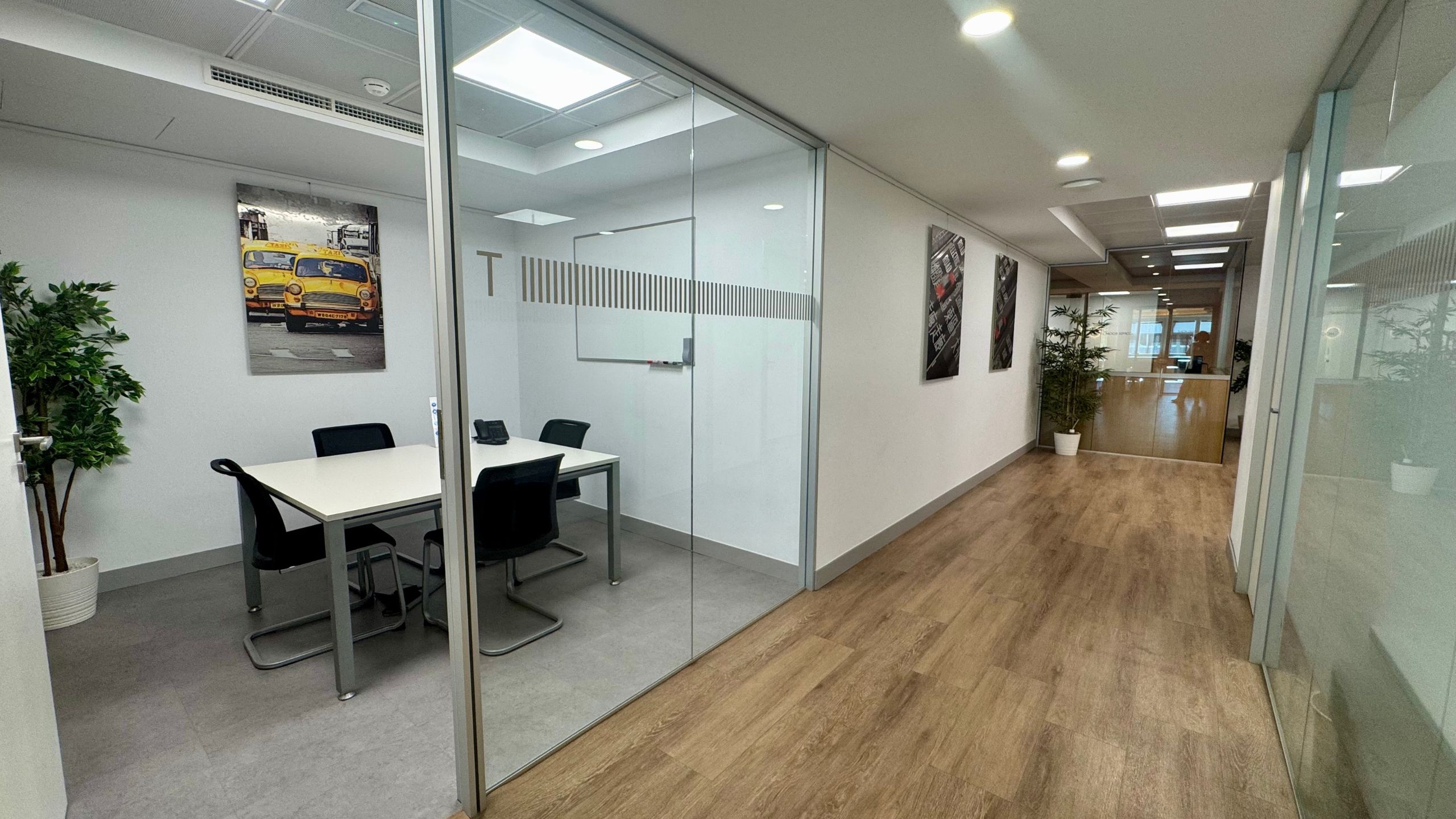
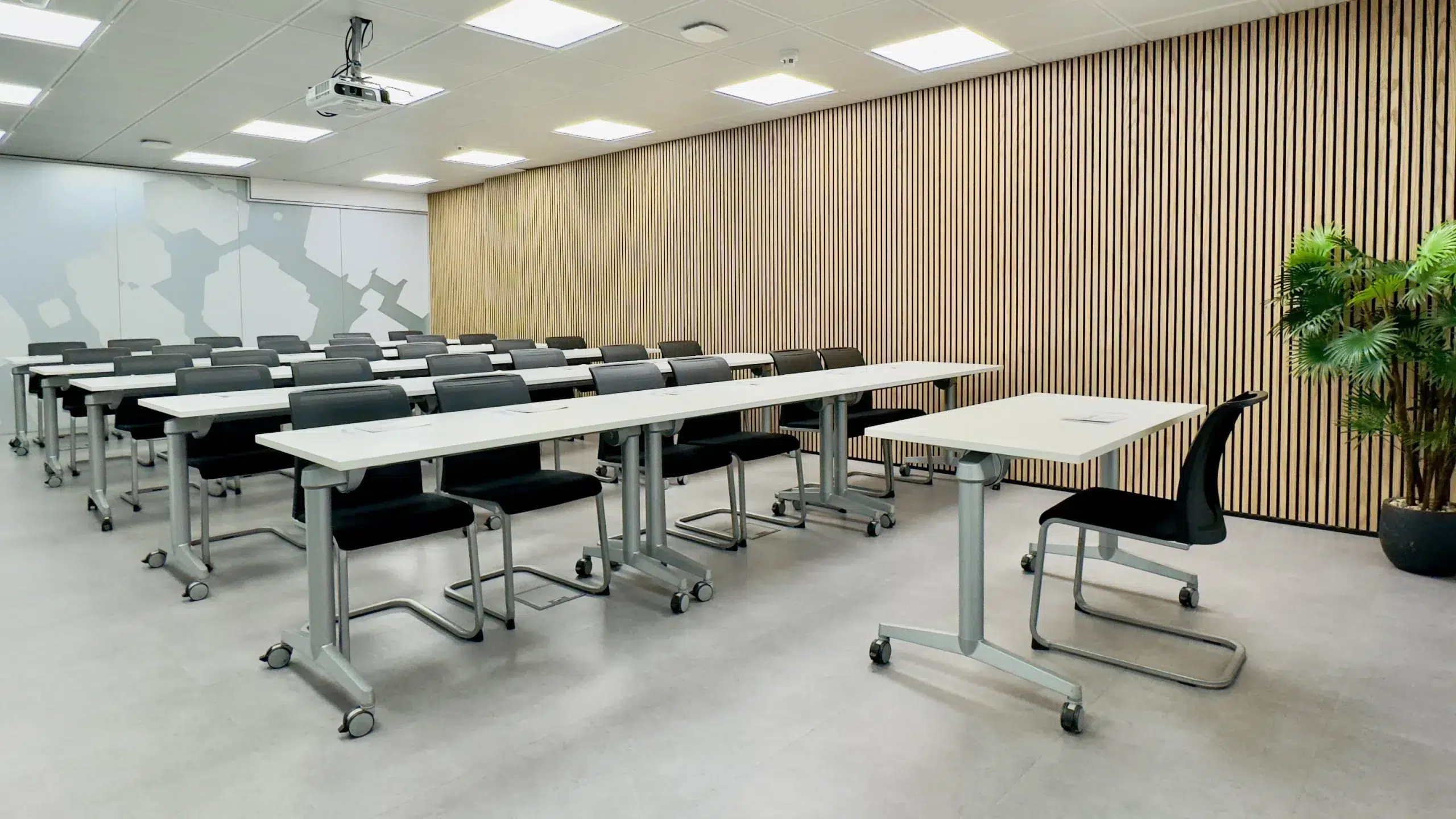
From the way offices are chosen to the importance of location, services, and networking, the traditional concept of a workplace has completely changed. Today, having flexible solutions such as tailor-made offices or meeting room rental in Madrid for meetings, training sessions, or occasional presentations has become a real necessity for companies of all sizes.
At Ibercenter, we see it every day. After more than 30 years supporting companies, freelancers, and executives in the heart of Madrid, we know that staying ahead of change makes all the difference. That’s why in this article we review the main trends shaping the present and future of Madrid’s business ecosystem, with a practical and approachable perspective — designed to help you make better decisions for your business.
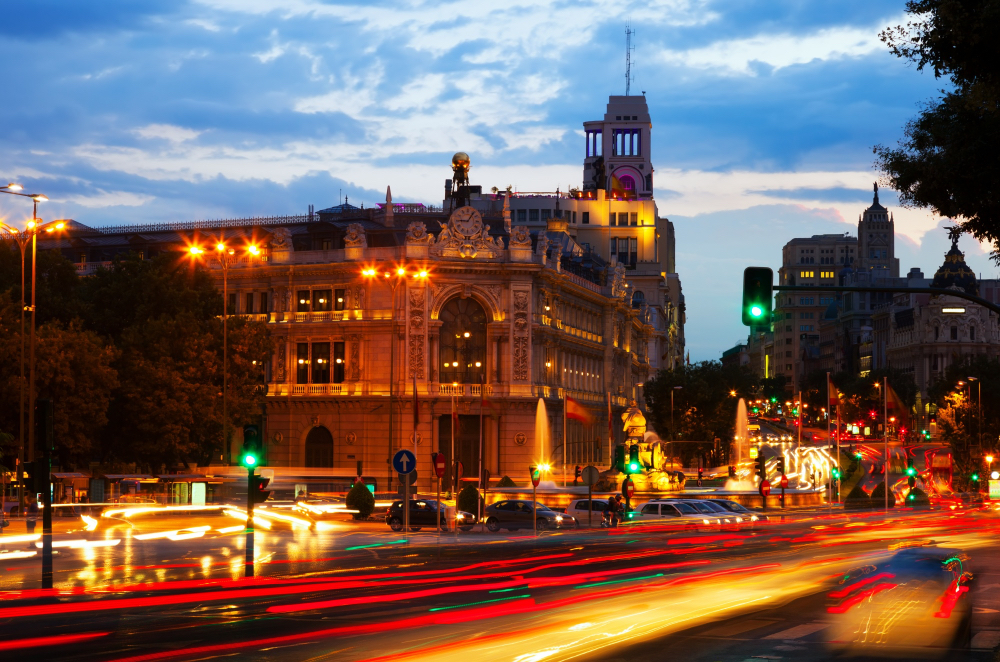
Madrid as a Business Hub in Constant Growth
Talking about Madrid as a business hub is no longer a future forecast — it’s a well-established reality. In recent years, the capital has become one of the leading destinations for both national and international companies seeking stability, strong prospects, and real growth opportunities. And everything suggests that this evolution will continue to shape business trends in Madrid over the coming years.
One of the main factors behind this growth is its strategic location. Madrid acts as a true bridge between Europe and Latin America, something especially valued by multinationals, tech startups, and professional services firms. Added to this is an excellent infrastructure network, international connections, highly skilled talent, and an increasingly diverse business ecosystem.
But beyond macroeconomic data, there has also been a major shift in corporate mindset. Madrid offers an environment that combines dynamism, legal certainty, and quality of life — three elements that directly influence business decision-making. More and more companies are choosing to move their headquarters here or open branches in key areas of the city, aiming not only to operate, but also to grow and strengthen their brand.
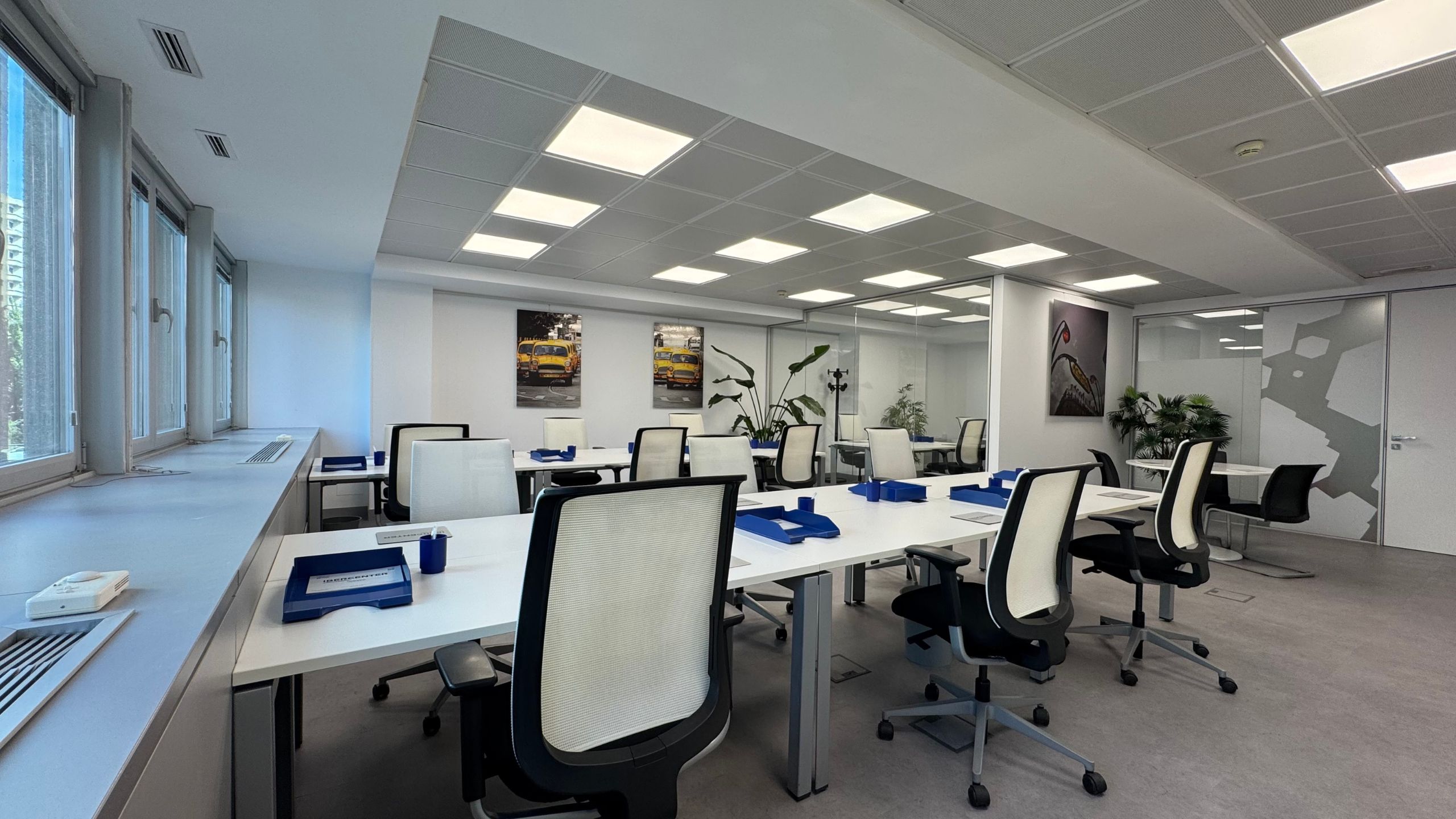
Another key aspect is the transformation of the work model. Companies are no longer looking for large, rigid long-term office leases, but for solutions that allow them to adapt to the pace of business. In this context, business centers and flexible workspaces play a fundamental role. Having access to private offices, meeting rooms, and complementary services without taking on upfront investments fits perfectly with today’s way of doing business.
This business growth also goes hand in hand with a shift in priorities. Corporate image, customer experience, and perceived professionalism have gained enormous importance. Having a presence in a city like Madrid — especially in strategic locations — adds credibility, trust, and a clear competitive advantage over other options.
In addition, Madrid’s business community has become more collaborative. Traditional sectors coexist with startups, entrepreneurs, and tech companies, generating constant synergies. This mix drives innovation, encourages networking, and creates business opportunities that don’t emerge as easily in more closed or scattered environments.
At Ibercenter, we see it every day. Companies that arrive in Madrid looking for a temporary solution and end up establishing themselves; professionals who choose the city center to take their project to the next level; teams that grow without needing to change spaces. All of this reinforces one clear idea: Madrid doesn’t just grow — it adapts and evolves in step with new business needs.
Understanding this context is essential to making the right decisions. Because being part of an expanding business environment is not just a matter of location, but of medium- and long-term vision. And Madrid, now more than ever, offers exactly that setting.
The New Work Standard: Flexible Offices
For years, the traditional office model was almost unchangeable: long-term contracts, large upfront investments, and spaces that rarely adapted to a company’s real evolution. However, that approach has clearly been left behind. Today, flexible offices have become the new standard of work and one of the clearest and most established business trends in Madrid.
Modern companies move fast. They grow, downsize, change structure, or shift their business model in very short timeframes. In this context, having a rigid office simply no longer makes sense. What businesses want now are spaces that support their growth — not limit it. Offices that allow them to scale up or down, move into a different office, access meeting rooms when needed, or do without them when they don’t.
In Madrid, this shift is especially visible. More and more SMEs, startups, freelancers, and even large corporations are choosing flexible solutions that allow them to focus on their activity without taking unnecessary risks. Flexibility is no longer a “nice-to-have” — it’s a basic requirement to compete in a dynamic and demanding market.
Another key point is cost optimization. Flexible offices remove many of the traditional financial barriers: there’s no major upfront investment, no unexpected expenses, and no long-term commitments that are hard to sustain. This allows companies to plan better, maintain stronger financial control, and allocate resources to what truly matters: growing the business.
But flexibility isn’t limited to the space itself — it also applies to services. Today, businesses value having a professional reception, personalized call handling, fully equipped meeting rooms, administrative support, or 24/7 access — all integrated into one solution. This way of working is not only more convenient, but also far more efficient.
In addition, flexible offices respond better to new ways of working. Hybrid teams, external collaborators, occasional client meetings, or internal training sessions require versatile spaces that adapt to each situation. Being able to use a private office today and a meeting room tomorrow makes a real difference in day-to-day business operations.
Ultimately, this shift reflects a deeper transformation: companies are no longer looking to simply “have an office” — they’re looking for a professional environment that supports their performance. A space that strengthens their brand image, fosters connections, and adapts to their pace. That’s why, among Madrid’s business trends, flexible offices are not a passing fad, but a logical response to a new way of understanding work.
At Ibercenter, we’ve been committed to this model for years because we know it works. We see how companies become more agile, reduce worries, and work better when the space adapts to them — not the other way around. That’s why our office rental service in Madrid is one of the most in-demand. And everything suggests that this approach will continue to lead the way in the coming years.
Strategic Location: Returning to the Heart of Madrid
For a while, many companies chose to move away from the city center in search of lower prices or larger spaces. However, this trend is now reversing strongly. Today, returning to the heart of the city has become a strategic decision and one of the clearest business trends in Madrid right now.
The reason is simple: location matters again — and a lot. Having your office in the center of Madrid is not just a matter of prestige, but also of efficiency, brand image, and business opportunities. Central areas concentrate business activity, services, transport, and — most importantly — people. And where there are people, there is business.
For many companies, being well located means being more accessible for clients, partners, and employees. The center of Madrid offers connectivity that is hard to match: metro, commuter trains, buses, and direct access from any point in the city. This makes in-person meetings easier, reduces commuting time, and improves the experience for anyone visiting the office — something that is increasingly valued.
In addition, location directly influences brand perception. Welcoming a client in an unknown peripheral area does not send the same message as receiving them in a well-established business environment. The city center communicates professionalism, stability, and trust — key values when closing deals and strengthening commercial relationships. In a competitive market, these details make a real difference.
Another important factor is attracting and retaining talent. Professionals look for well-connected environments, nearby services, dining options, and urban life. Working in the center is more appealing and convenient, which has a positive impact on team motivation and commitment. For many companies, this point is decisive when choosing a location.
This return to the center also goes hand in hand with a change in the type of workspace. It is no longer about large traditional offices, but about flexible solutions that make it possible to be in prime locations without taking on disproportionate costs. Business centers, tailored private offices, and fully equipped meeting rooms allow companies of different sizes to access strategic addresses.
Within Madrid’s business trends, this renewed focus on the city center reflects a more practical business mindset: fewer unnecessary square meters and more real value — location, services, image, and flexibility. Companies want to be where things happen, where connections are made, and where growth is easier.
At Ibercenter, we see it every day. Many businesses come in looking for a temporary solution and soon discover that being in the city center brings far more than they expected: visibility, convenience, and new opportunities. Because in the end, choosing the right place to work is not just about space — it’s about strategy. And central Madrid is once again taking its rightful place: the heart of business.
The Rise of Hybrid Work and Shared Spaces
Work is no longer understood the way it used to be. The idea of going to the same office every day, on the same schedule and in the same format, has given way to much more flexible models. In this context, hybrid work and shared spaces have become one of the most impactful business trends in Madrid, reshaping how teams and workplaces are organized.
The hybrid model combines the best of two worlds: the flexibility of remote work and the advantages of an in-person professional environment. Companies have realized that it isn’t necessary to gather the entire team every day to stay productive — but it is essential to have a reference space where people can meet, welcome clients, collaborate, and strengthen company culture. That’s where shared spaces truly make sense.
In Madrid, this shift is clearly visible. More and more companies are choosing smaller, more efficient offices, complemented by meeting rooms, common areas, and coworking spaces that are used based on real needs. This way of working makes it possible to optimize resources, reduce costs, and increase agility — without losing a professional presence.
Shared spaces also encourage something extremely valuable: interaction. Working in environments where different companies, profiles, and industries coexist naturally generates connections, idea exchange, and collaboration opportunities. In such a competitive market, these informal relationships can turn into strategic partnerships or new clients.
In addition, hybrid work aligns with the new expectations of professionals. Flexibility has become a key factor in attracting and retaining talent. Being able to organize the week between home, the office, and in-person meetings improves work-life balance and increases job satisfaction. Companies that adapt to this reality often benefit from more committed and motivated teams.
Another important aspect is the adaptability of the space. Fixed desks for everyone are no longer necessary — what businesses need are versatile environments that can transform depending on usage: occasional meetings, training sessions, presentations, or teamwork. Shared spaces provide this flexibility without complications or additional investment.
Within Madrid’s business trends, hybrid work is not a temporary solution, but a natural evolution of the workplace model. Companies that understand it and integrate it strategically gain efficiency, strengthen their image, and improve their ability to adapt.
At Ibercenter, we see it every day. Companies that combine private offices with shared areas, teams that meet when they need to, and professionals who find the perfect balance between flexibility and professionalism. Because the future of work isn’t about choosing between home or office — it’s about having spaces that adapt to every moment of the business.
All-in-One Business Services
For a long time, choosing an office was basically a matter of square meters. Today, that view falls short. Companies are no longer just looking for a place to work, but for an environment that makes day-to-day operations easier and allows them to focus on what truly matters. That’s why all-in-one services have become one of the most relevant business trends in Madrid today.
In an increasingly competitive market, time is a key resource. Managing suppliers, handling calls, welcoming visitors, coordinating meetings, or solving technical issues requires constant effort and takes attention away from the business. Having a workspace that integrates all of these services into one solution makes a real difference in terms of productivity and peace of mind.
Professional reception service is one of the most valued features. It’s not just about greeting visitors — it’s about doing so with a polished image that is consistent with the company’s brand. The same applies to personalized call answering, a service that remains essential for many companies and conveys seriousness and trust from the very first contact.
Another key point is access to meeting rooms and spaces for training sessions or presentations. Being able to use these resources whenever needed — without worrying about maintenance, equipment, or management — provides great flexibility. It also makes it easier to respond to peaks in activity without taking on high fixed costs.
Technology also plays an essential role. Stable connectivity, security systems, access control, technical support, and tools that facilitate everyday work are part of what is now expected from a professional environment. When these elements are well integrated, companies can work efficiently and without interruptions.
Within Madrid’s business trends, all-in-one services reflect a smarter way of understanding the workspace. It’s not about owning everything, but about having access to what you need, when you need it. This model is especially attractive for SMEs, startups, and growing companies — but also for larger corporations looking for flexibility and resource optimization.
In addition, this approach improves the experience for both employees and clients. A well-managed environment, with professional services and thoughtful attention, creates a positive perception that strengthens corporate image. And in a context where experience matters more than ever, this is far from a minor detail.
Professional Networking as a Growth Driver
In an increasingly competitive business environment, growth doesn’t depend only on having a great product or a high-quality service. Professional relationships remain a decisive factor. That’s why networking has become one of the most powerful business trends in Madrid for creating new opportunities and strengthening projects in the medium and long term.
Madrid is especially well suited to this. Its dynamic business ecosystem, the concentration of companies across different sectors, and the constant professional activity create the ideal context to connect with other businesses, suppliers, partners, and potential clients. Here, opportunities don’t always come from a formal meeting — many times they emerge from an informal conversation at the right moment.
Professional networking is no longer limited to occasional large-scale events. Day-to-day, natural interaction — the kind that happens in shared workspaces and business centers — is becoming increasingly important. Meeting other professionals, exchanging ideas, or sharing experiences helps build more authentic and lasting relationships, less focused on direct selling and more on trust.
This type of environment encourages collaboration between companies. Joint projects, mutual recommendations, and synergies between different professional profiles often arise naturally when the right ecosystem exists. For many businesses, these connections end up being just as valuable as any traditional commercial action.
Networking also brings something that goes beyond immediate business: knowledge. Being in contact with other entrepreneurs helps you stay aware of new trends, identify market opportunities, and learn from the experiences of others. In a fast-changing context, this information is essential to stay ahead and make better decisions.
Within Madrid’s business trends, networking has also become more professionalized. It’s no longer about collecting contacts, but about building high-quality relationships. Spaces that encourage personal connection, well-organized events, and environments that make it easy to meet others all play a key role in this process.
Another important aspect is visibility. Being part of an active business community allows your company to be discovered naturally, without major advertising investment. Being present, participating, and adding value strengthens your brand and builds trust — two essential elements for sustainable growth.
At Ibercenter, we see it every day. Companies that start by sharing a workspace and end up collaborating; professionals who become clients; and clients who recommend services to other businesses. These kinds of connections aren’t forced — they’re facilitated. That’s why choosing environments that promote networking isn’t a secondary strategy, but a key decision for anyone who understands growth as something built largely through people.
Corporate Image and Customer Experience
In an increasingly competitive market, the image a company projects and the experience it delivers to its clients have become decisive factors. It’s no longer enough to do the job well — how you are perceived and how every interaction feels also matters. That’s why corporate image and customer experience hold a prominent place among Madrid’s business trends.
Corporate image goes far beyond a logo or a business card. It includes the environment where clients are welcomed, the level of service they receive, the way communication is handled, and of course, the workspace itself. A well-maintained office, in a strong location and with a professional aesthetic, communicates values such as seriousness, trust, and stability from the very first moment.
Customer experience begins even before the first direct interaction. Calling and being answered professionally, arriving at a clearly signposted office, being welcomed by a friendly reception team, and entering a comfortable environment all create a positive impression that shapes the relationship that follows. These are details that sometimes go unnoticed, but they clearly influence how the service is perceived.
In Madrid — where the business offering is broad and diverse — differentiation is essential. Many companies compete on quality and price, but few truly take care of the complete customer experience. That’s why more and more businesses understand that the workspace is part of their value proposition. It’s not just a place where work happens — it’s a reflection of the brand.
Within Madrid’s business trends, there is a clear focus on environments that reinforce corporate identity. Well-designed offices, meeting rooms prepared to welcome clients, and services that ensure impeccable attention help project a coherent and professional image at all times.
Customer experience is also closely linked to comfort and trust. A well-managed environment, where everything runs smoothly and clients feel looked after, makes communication easier and strengthens commercial relationships. This not only increases satisfaction, but also directly influences loyalty and word-of-mouth recommendations.
Conclusion
Companies that are growing in the capital have one thing in common: they understand that the work environment is part of their strategy. Business trends in Madrid clearly point toward more flexible models, strategic locations, all-in-one services, and spaces that encourage professional connections. It’s no longer just about where you work, but about how that environment supports and drives the business forward.
Madrid offers a unique ecosystem for companies that want to evolve without losing competitiveness. The rise of hybrid work, the importance of corporate image, the value of networking, and the need to optimize resources have transformed the way offices are chosen. In this context, solutions such as coworking in Madrid, flexible private offices, and tailor-made meeting rooms are becoming smart options for businesses of all sizes.
Staying ahead of these changes is not a matter of following trends — it’s a matter of business vision. Adapting the workspace to new needs allows companies to gain agility, improve the customer experience, and project a strong, professional image — all without taking unnecessary risks or committing to rigid long-term obligations.
At Ibercenter, we’ve been supporting companies in this process for more than 25 years. We know that every project is different, and that having the right environment makes all the difference. That’s why, rather than simply offering space, we provide solutions designed for growth. Because the future of work is already here — and Madrid remains the best place to make it happen.